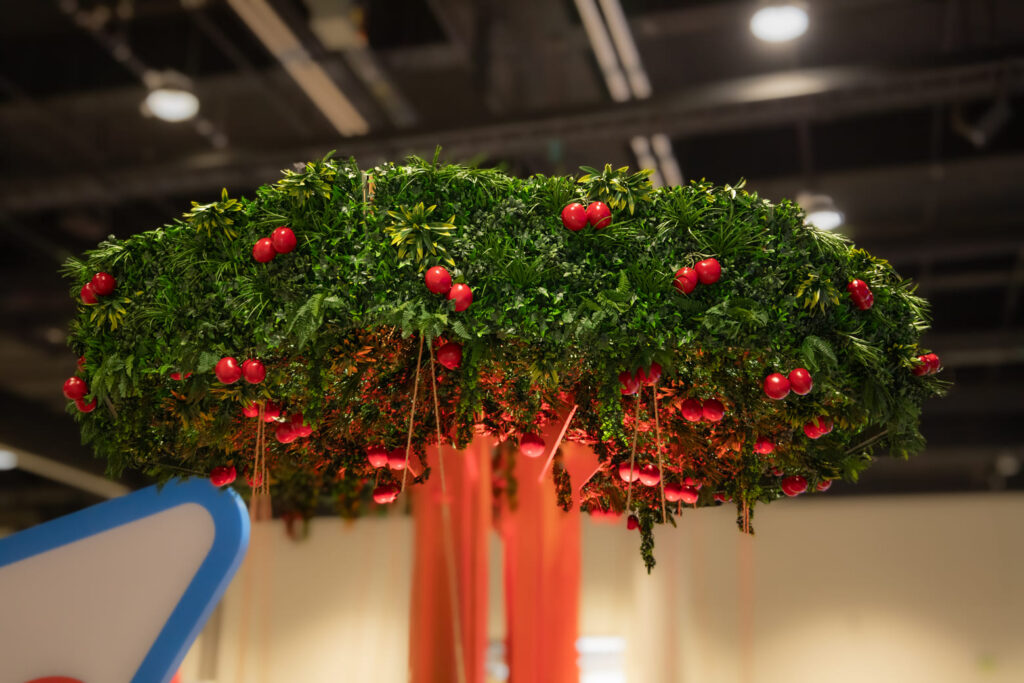
The latest stage decoration trends for corporate and gala events focus on LED-driven visuals, immersive lighting, minimalist designs, sustainability, and interactive experiences. Event planners now prioritize technology-enabled backdrops, strong branding integration, and camera-ready setups that work for both in-person and hybrid audiences.
Below is a clear, practical breakdown of the exact trends shaping modern event stages and how to apply them.

What stage decoration styles are most popular right now?
1. Minimalist and Elegant Stage Designs
Trend summary: Clean, uncluttered stages with high-impact focal points.
Minimalist stage design is one of the most requested approaches for corporate and gala events because it looks professional, modern, and premium on camera.
Key elements:
- Neutral color palettes (black, white, metallics)
- Simple geometric backdrops
- Limited décor with one or two bold features
- High-quality materials such as acrylic, metal, or fabric
- Strategic accent lighting
Why it works:
Minimalism reduces visual noise and keeps the audience's attention on speakers, awards, and presentations.
Best for: Corporate conferences, executive forums, and award ceremonies.
2. LED Screens and Digital Backdrops
Trend summary: Static banners are being replaced by dynamic digital stages.
LED walls and projection screens are now the industry standard for professional event staging.
Common uses:
- Rotating branded visuals
- Speaker name displays
- Animated event themes
- Live social media feeds.
- Video presentations
Results:
- 40–60% higher audience engagement compared to static backdrops
- Faster content changes between sessions
- More polished, broadcast-quality appearance
Best for: Product launches, annual general meetings, large-scale galas.
3. Immersive Lighting as Core Décor
Trend summary: Lighting is now treated as a design feature in its own right.
Modern stage decoration treats lighting as the main mood-setting tool.
Popular techniques:
- Color-changing LED uplights
- Moving head spotlights
- Pattern projections on walls and floors
- 3D mapping effects
- Warm ambient glows for gala dinners.
Practical impact:
- Transforms simple stages into high-end experiences
- Creates different atmospheres for speeches, performances, and dinners
- Improves photo and video quality
Best for: Evening galas, entertainment-focused events, hybrid productions.
4. Sustainable and Eco-Friendly Stage Décor
Trend summary: Event clients now demand environmentally responsible designs.
Sustainability has become a purchasing requirement for many brands planning corporate events.
Preferred options:
- Reusable modular stage sets
- Fabric backdrops instead of vinyl
- Digital signage instead of printed banners
- Energy-efficient LED lighting
- Natural décor such as plants and wood
Measurable benefits:
- Up to 30% reduction in event waste
- Lower production costs for repeat events
- Positive ESG (Environmental, Social, Governance) branding
Best for: Companies with sustainability commitments and annual recurring events.
5. Customized Branding Integration
Trend summary: Every stage is now built around brand identity.
Generic décor is out. Fully branded environments are in.
Standard applications:
- Custom-built logo backdrops
- Branded podiums
- Color-matched stage furniture
- Tailored graphic packages
- Coordinated presentation templates
Outcome:
Stronger brand recall and a cohesive attendee experience across physical and digital touchpoints.
Best for: Corporate summits, investor events, and company milestone celebrations.
6. Floral Installations and Natural Elements
Trend summary: Organic décor softens the high-tech feel of event environments.
Gala events increasingly blend luxury technology with natural beauty.
Trending features:
- Large floral arches
- Greenery walls
- Hanging floral chandeliers
- Potted plants on stage
- Natural wood textures
Why it matters:
Nature-inspired décor creates warmth, elegance, and a premium aesthetic that photographs beautifully.
Best for: Black-tie galas, charity dinners, VIP ceremonies.
7. Multi-Level and 3D Stage Designs
Trend summary: Flat stages are being replaced with dimensional layouts.
Modern stage architecture now includes platforms, steps, and layered structures.
Advantages:
- Better audience sightlines
- Stronger visual impact
- Clear separation of presenters and performers
- More professional broadcast angles
Best for: Award shows, panel discussions, fashion events, and large conferences.
8. Interactive and Experiential Stages
Trend summary: Audiences expect participation, not passive viewing.
Interactive technology is becoming part of stage décor.
Common features:
- Live polling screens
- Real-time Q&A walls
- Touch-enabled displays
- Augmented reality activations
- Audience-controlled lighting
Results:
- Higher engagement rates
- Longer audience attention spans
- More social media sharing
Best for: Tech conferences, brand activations, youth-focused events.
9. Themed and Story-Driven Stage Concepts
Trend summary: Decoration now follows a clear narrative.
Instead of random décor pieces, stages are designed around unified themes.
Popular themes:
- Futuristic innovation
- Hollywood glamour
- Cultural heritage
- Luxury elegance
- Corporate milestone storytelling
Framework used by planners:
Concept → Visual identity → Stage design → Lighting → Graphics → Experience flow.
Best for: Gala dinners, anniversaries, product unveilings.
10. Hybrid Event-Ready Stage Designs
Trend summary: Every stage must now work for live and virtual audiences.
Hybrid events require decoration optimized for cameras and streaming platforms.
Design priorities:
- Camera-friendly backdrops
- Balanced lighting for video
- Clean, uncluttered visuals
- Proper screen placement
- Professional broadcast layouts
Key metric:
A hybrid-optimized stage can increase virtual viewer satisfaction by 25–40%.
Best for: Global conferences, webinars with live audiences, corporate town halls.
Comparison Framework: Traditional vs Modern Stage Décor
| Factor | Traditional Approach | Modern Trend |
|---|---|---|
| Backdrops | Printed banners | LED screens |
| Lighting | Basic spotlights | Immersive dynamic lighting |
| Branding | Generic designs | Fully customized stages |
| Engagement | Passive audience | Interactive experiences |
| Materials | Single-use items | Reusable sustainable décor |
| Audience Reach | In-person only | Hybrid-friendly |
How to Choose the Right Trend for Your Event
Use this decision guide:
- Need high impact on a budget? → LED screens + smart lighting
- Hosting a luxury gala? → Floral installations + themed décor
- Running a corporate conference? → Minimalist design + strong branding
- Planning a hybrid event? → Camera-ready layouts
- Focused on sustainability? → Reusable modular sets
What results do modern stage trends deliver?
Organizations that adopt current stage decoration trends typically see:
- 35% better audience engagement
- Stronger brand perception
- Higher-quality event photos and videos
- More social media visibility
- Improved attendee satisfaction

Ready to Elevate Your Next Event?
Stage decoration trends for corporate and gala events now blend technology, creativity, and experience design. The most effective modern stages feature LED backdrops, immersive lighting, minimalist aesthetics, sustainable materials, interactive elements, and hybrid-ready layouts.
Event success today relies on visually striking, brand-aligned, and optimized stages for both in-person and virtual audiences.
Bottom line:
The best stage decoration trend is the one that directly supports your event goal, whether that is brand impact, audience engagement, sustainability, or a luxury experience.
Contact us today to create a standout stage design that captivates your audience and brings your vision to life.