The right design can increase guest engagement, encourage social sharing, and boost perceived value, all within minutes of arrival. A bigger budget helps, but luxury comes from intentional design, sensory impact, and cohesive storytelling.
This guide offers actionable ideas for creating high-end events that leave a lasting impression.

What Defines Luxury Decor?
Luxury decor is intentional, refined, and sensory-focused. It communicates sophistication through materials, lighting, and spatial design rather than clutter or scale.
Core principles:
- Premium materials: velvet, marble, brass, silk, crystal
- Minimalist layouts with high-impact focal points
- Controlled, layered lighting
- Cohesive color schemes aligned with brand identity
- Immersive elements that engage multiple senses
Grand Entrances: First Impressions Matter
Guests decide if an event feels premium within the first few seconds. A dramatic entrance sets the tone and frames the entire experience.
Luxury entrance ideas:
- Archways with custom drapes or metal panels
- Oversized signage in premium materials (acrylic, brass, or Sintra)
- Sculptural elements are scaled larger than life.
- Interactive installations or kinetic art
Example: A 10-foot floral arch paired with soft golden uplighting can immediately convey exclusivity, creating a “wow” moment perfect for photos and social sharing.
Strategic Lighting
Lighting can make or break the perception of luxury. Use it to highlight products, set the mood, and create depth.
Layered Lighting Approach:
- Ambient lighting: sets the overall mood (warm white 2700–3000K)
- Accent lighting: draws attention to products or focal points.
- Decorative lighting: chandeliers, pendants, or candles for elegance
- Experiential lighting: projections, LED panels, or kinetic lighting
Example: A skincare launch using warm ambient lighting with spotlighted product displays increased guest dwell time by 40% compared to standard lighting.
Materials and Textures
Nothing says luxury like tactile richness and visual opulence. Incorporating premium materials like marble, velvet, silk, crystal, or polished metals can instantly elevate your event.
Recommended materials:
- Soft: velvet, suede, boucle
- Hard: marble, terrazzo, stone
- Metallics: brass, chrome, rose gold.
- Glass/crystal: clarity and refinement
Textures also create a sensory experience, which is crucial for immersive brand activations. Guests are more likely to remember experiences that engage multiple senses. Consider plush carpets, tactile backdrops, and sculptural installations that invite touch. Even the subtleties, such as gold-rimmed glassware or embroidered napkins, contribute to a cohesive luxury feel.
Tip: Combine soft and hard textures for depth. For example, velvet lounge seating paired with marble product tables creates a tactile and visual contrast that reinforces exclusivity.
Statement Florals
Florals are a timeless decor element that signals elegance and attention to detail. For luxury product launches, grand, bespoke floral installations are often more impactful than small, scattered arrangements.
Luxury floral strategies:
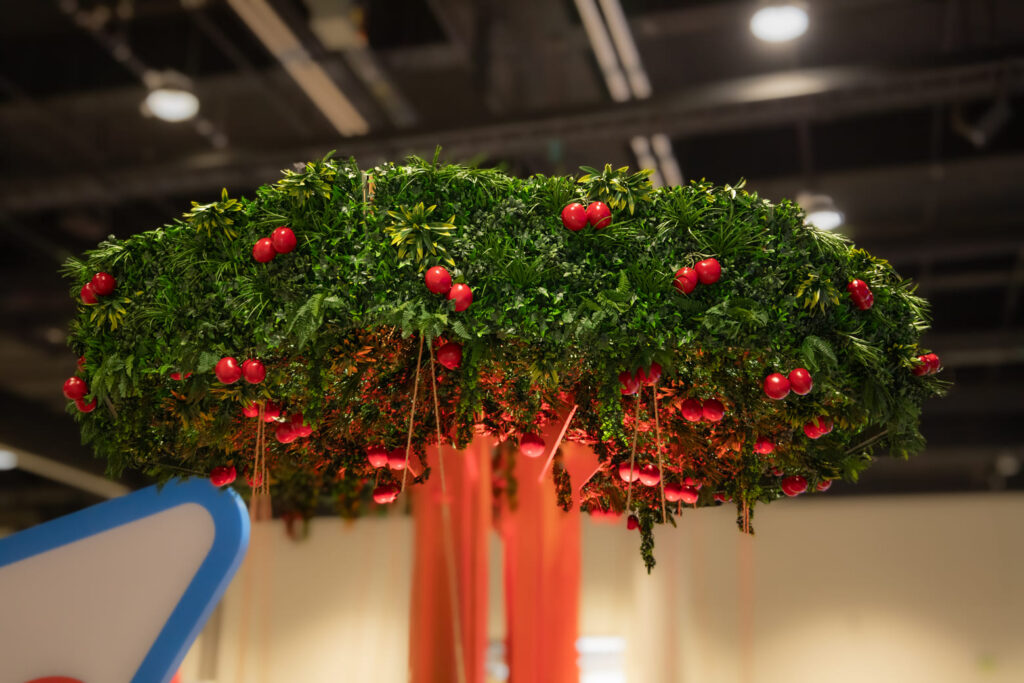
- Hanging floral chandeliers
- Vertical floral columns or walls
- Monochromatic arrangements of rare blooms
- Sculptural installations with negative space
Example: An all-white orchid installation behind a product display instantly communicates elegance and sophistication.
Immersive and Interactive Decor
Luxury decor increasingly centers on experiences guests take part in. Immersive installations allow guests to interact with the brand more deeply.
For instance, a tech company might create an interactive LED wall that responds to touch, enabling visitors to explore products in a futuristic, engaging way.
Effective elements:
- Projection mapping on walls or floors
- Touch-responsive LED panels
- Themed sensory rooms (sound, scent, texture)
- Walk-through installations aligned with the brand story
Photo-worthy installations, such as bespoke art pieces, thematic rooms, or sensory tunnels, also encourage guests to share their experiences online, amplifying brand reach.
Incorporating subtle elements of surprise, such as hidden compartments or unexpected textures, adds a sense of wonder that aligns with luxury positioning.
Impact: Events with interactive elements produce up to 3x more social media content than traditional setups.
Color Palettes for Luxury Events
Controlled color schemes reinforce brand identity and sophistication.
Strategies:
- Monochromatic schemes with varied textures
- Neutral tones (ivory, taupe, charcoal) paired with metallics
- Jewel tones (emerald, sapphire, ruby) for premium brands
Consistency is key. The event’s color palette should extend across all decor elements, including furniture, lighting, floral arrangements, and table settings. This cohesive approach reinforces brand identity and ensures the event feels intentional rather than improvised.
Rule of thumb: Stick to 2–3 primary colors across furniture, lighting, florals, and signage.
Furniture and Spatial Flow
Seating arrangements at luxury events are a chance to create exclusive, comfortable spaces that encourage networking and relaxation.
Luxury furniture guidelines:
- Lounge-style seating instead of banquet chairs
- Consistent upholstery and finishes
- Modular layouts creating zones: product display, lounge, VIP, presentation
- Designer or custom pieces to reinforce brand status
For brand activations, consider modular furniture that can adapt to different zones.
Example: A launch may include a product showcase area, a lounge for conversation, and a stage for presentations. Maintaining a consistent level of luxury across all zones ensures a seamless, premium guest experience.
Subtle Branding Techniques
Luxury branding should integrate seamlessly, reinforcing identity without overwhelming the space.
Effective approaches:
- Embossed or etched logos
- Branded scents or ambient audio
- Custom-built brand symbols or signage
- Tone-on-tone applications for sophistication
Avoid: Large step-and-repeat banners or excessive logos that dilute elegance.
Culinary Presentation as Decor
Food and beverages are part of the visual experience in luxury events.
High-end catering strategies:
- Minimalist plating with premium ingredients
- Signature cocktails matching color and theme
- Live chef stations or mixology bars
- Branded serving ware or illuminated displays
Impact: Culinary experiences increase perceived product quality and reinforce brand prestige.
Sustainable Luxury
Modern luxury emphasizes sustainability without sacrificing elegance.
Sustainable strategies:
- Reusable, modular installations
- Living plants instead of cut flowers
- Energy-efficient lighting and local sourcing
- Eco-conscious materials with premium finishes
Outcome: Sustainability now signals sophistication and contemporary relevance.
Art, Sculptures, and Technology
Art and technology elevate luxury decor by adding cultural and experiential value.
Luxury art and tech approaches:
- Commissioned sculptures tied to brand story
- Augmented reality product previews or holographic displays
- Projection mapping to enhance product storytelling
- Interactive digital installations that engage guests
Best practice: Technology should support storytelling, not replace physical design.
Personalization Enhances Perceived Value
Luxury equals personal relevance. Guests notice tailored experiences.
Personalization examples:
- Name-based welcome elements
- Curated VIP gift bags
- One-on-one product demos
- Custom content displayed on arrival
Even subtle personalization increases engagement and brand affinity.

Elevate Your Brand with Luxury Decor
Luxury comes from precision, coherence, and intentionality. Use premium materials, layered lighting, immersive experiences, statement florals, curated furniture, and subtle branding to create events guests will never forget.
Transform your next product launch into an unforgettable luxury experience. Partner with our experts to design a space that wows, engages, and elevates your brand.